8 Simple Daily Tips for Blood Sugar
Updated August 2026 · General wellness education
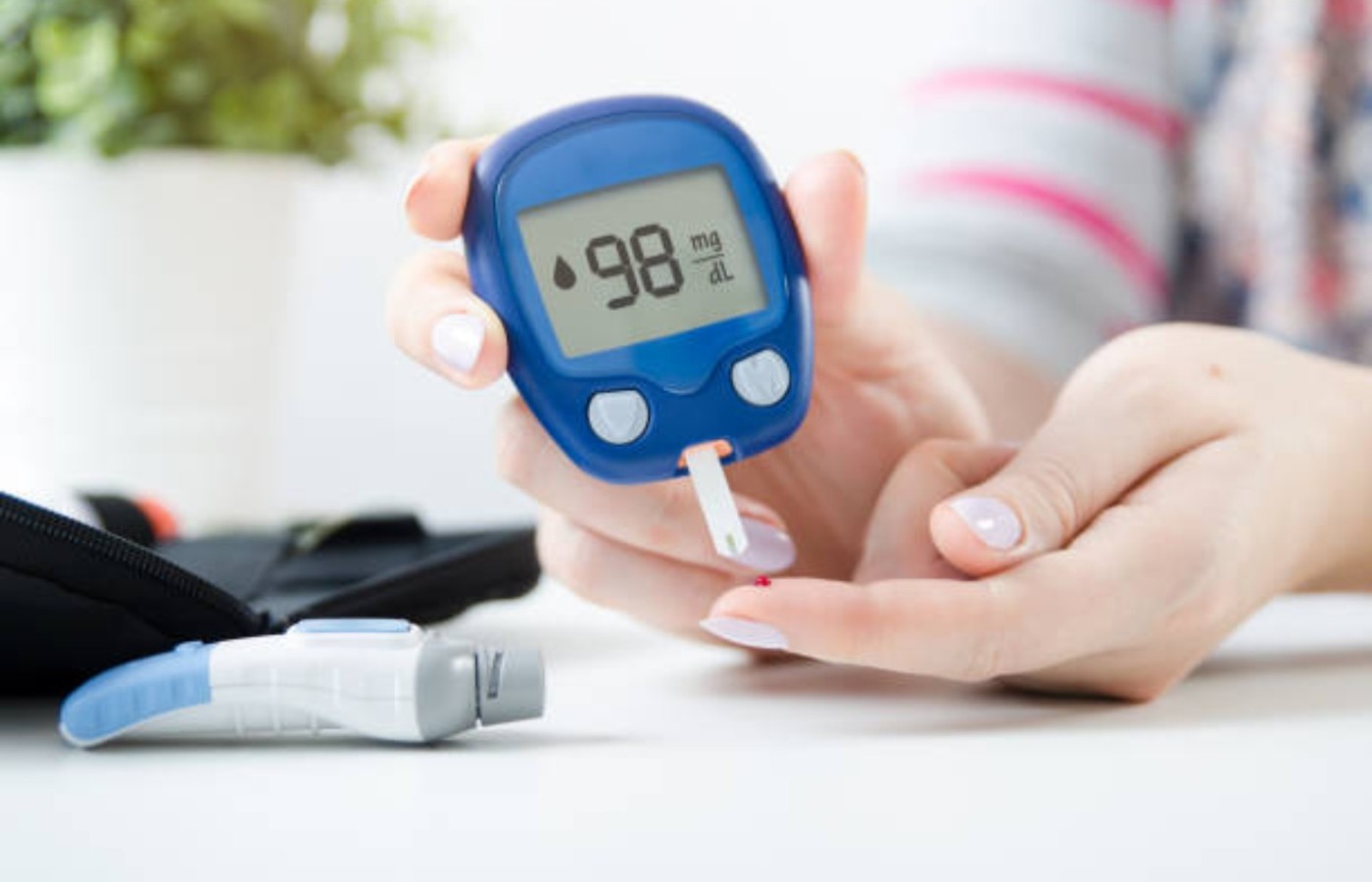
These practical tips are designed to make blood sugar information easier to use in everyday life. Focus on simple, sustainable habits and adjust them to your needs.
Practical tips to try
1. Start with one small stepChoose one realistic blood sugar habit you can repeat without making your day harder.
2. Keep the routine simpleA short, repeatable routine is usually easier to maintain than an extreme plan for blood sugar.
3. Plan aheadUse a simple checklist, grocery note, or reminder so supportive choices for blood sugar require less last-minute effort.
4. Watch your patternsNotice how sleep, stress, meals, activity, and busy days influence your blood sugar routine.
5. Build around what already worksAttach a new habit to something you already do consistently, such as breakfast, lunch, walking, or bedtime.
6. Avoid all-or-nothing thinkingOne difficult day does not erase progress. Return to your basic blood sugar routine at the next opportunity.
7. Make your environment helpfulKeep the items, foods, or reminders that support your blood sugar goals easy to see and reach.
8. Review weeklyOnce a week, note what felt easy, what created friction, and what you want to adjust for blood sugar.
9. Use reliable informationPrefer evidence-based education and qualified professional guidance when making decisions about blood sugar.
10. Know when to get helpIf symptoms, test results, pain, or persistent concerns are involved, speak with a qualified healthcare professional.
Optional related wellness resource
This is an affiliate link. Elviora Health may earn a commission at no extra cost to you. This is not medical advice or a treatment recommendation.
View related resourceA simple way to use these tips
Pick one or two ideas first. Try them consistently for several days, then review whether they fit your routine. You do not need to change everything at once.
Important note
This article is for general education and does not diagnose, prevent, or treat disease. For persistent symptoms, abnormal test results, medication questions, or personal medical concerns, consult a qualified healthcare professional.